
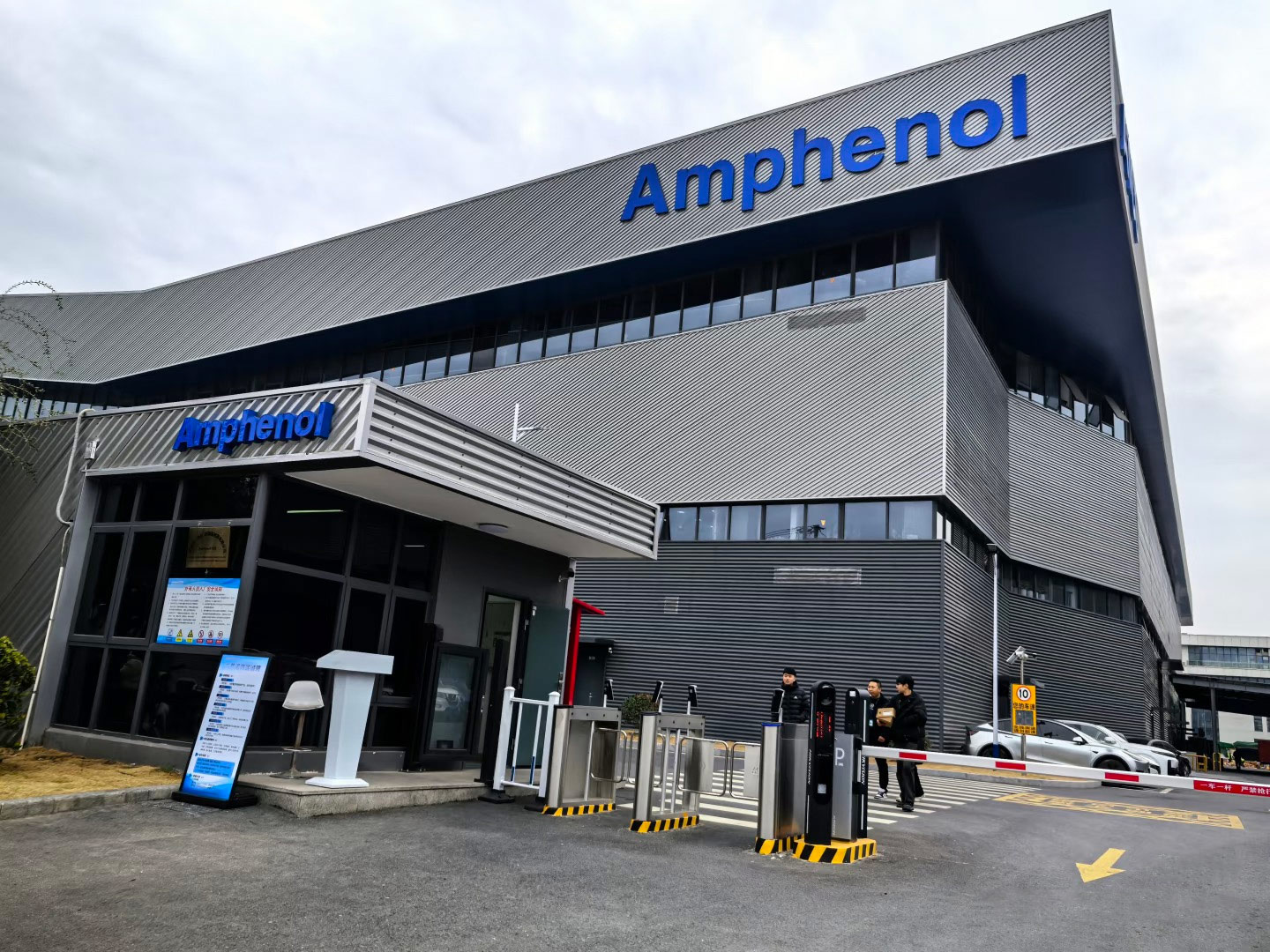
Amphenol Achieves Record $7.6 Billion Revenue in Q1 2026, Driven by AI and Data Center Growth
Amphenol Corporation, one of the world’s leading manufacturers of connectors and interconnect solutions, recently announced its financial results for the first quarter of 2026. The company achieved record-breaking sales revenue and adjusted diluted earnings per share (EPS), significantly exceeding market expectations. The strong performance highlights not only Amphenol’s continued leadership in the global connector industry but also its successful expansion into emerging technology markets, especially artificial intelligence (AI), data centers, and high-performance interconnect solutions. Amphenol Q1 2026 Financial Results Reach Record High Amphenol delivered outstanding results in the first quarter of 2026, with multiple key financial indicators reaching historical records. The company’s growth was primarily driven by two major factors: 1. Strong Organic Growth, Especially in IT Data Communications According to Amphenol President and CEO R. Adam Norwitt, the significant increase in sales was mainly driven by strong organic growth across most end markets, with the IT data communications sector delivering particularly impressive results. The rapid development of artificial intelligence, cloud computing, and digital transformation has created unprecedented demand for advanced connectivity technologies. AI model training and deployment require high-speed, high-density, and low-latency interconnect solutions to support massive computing systems. Modern data centers rely on advanced connector technologies to connect

Molex Invests $170 Million in Dongguan, Focusing on High-Speed Connectivity for AI Servers
As the global computing power race moves into deeper waters, high-speed interconnect technology has become the lifeline of AI infrastructure. In early 2026, leading electronic connector supplier Molex announced plans to invest about $170 million to expand its production base in Dongguan’s Shijie Town, focusing on the R&D and mass production of high-speed connection cables for AI servers. This move not only represents Molex’s strategic commitment to the high-speed interconnect sector, but also serves as a vivid example of Dongguan’s electronics industry upgrading toward high-end intelligent manufacturing, injecting strong China-made momentum into the global construction of AI computing infrastructure. Win-Win Cooperation: Investing in China to Build a New Industry Hub With more than three decades of deep roots, the industrial synergy between Molex and Dongguan has long become a model of international cooperation. Since establishing its production base in Dongguan in 1988, Molex has witnessed and participated in the city’s transformation from the “world’s factory” to a “highland of intelligent manufacturing.” At the same time, Dongguan’s well-developed electronics industry ecosystem and highly efficient supply chain capabilities have provided strong support for Molex in bringing its technologies to market and achieving large-scale production. This $170 million investment further demonstrates Molex’s strong confidence in the long-term potential of the
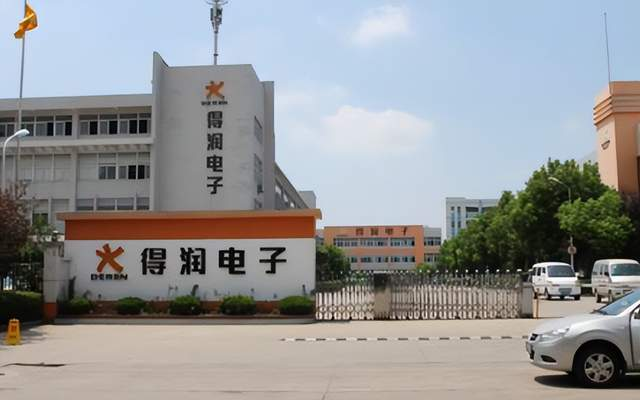
Breaking: Deren Electronics financial fraud—Connector Industry Alert
On December 31, 2025, Deren Electronics (002055), a leading A share connector manufacturer, received an Advance Notice of Administrative Penalty from the Shenzhen Regulatory Bureau of the CSRC. Due to falsified operating receipts over 2020–2022, the company will be subject to an “Other Risk Warning”. Its stock abbreviation will change from “Deren Electronics” to “ST Deren”(ST=Special Treatment). Trading will be suspended for one day on January 5, 2026, and when it resumes on January 6, 2026, the daily price fluctuation will be limited to ±5%. This three-year financial fraud not only plunged the veteran connector company into a trust crisis, but also sounded a compliance alarm across the fast-growing connector industry. Enforcement Implemented: The $76.7 Million Fictitious Receipts Fraud Timeline The investigation by the Shenzhen Regulatory Bureau revealed that the financial fraud at Deren Electronics was orchestrated by the actual controller, Qiu Jianmin, who was serving as Chairman and CEO at the time. From 2020 to 2021, due to major customers facing financial difficulties and unable to repay debts, Deren Electronics experienced tight cash flow.Qiu Jianmin, the company’s actual controller and then Chairman & CEO, used his personal funds and external loans to provide financial support to customers, subsidiaries, and equipment suppliers, who then repaid
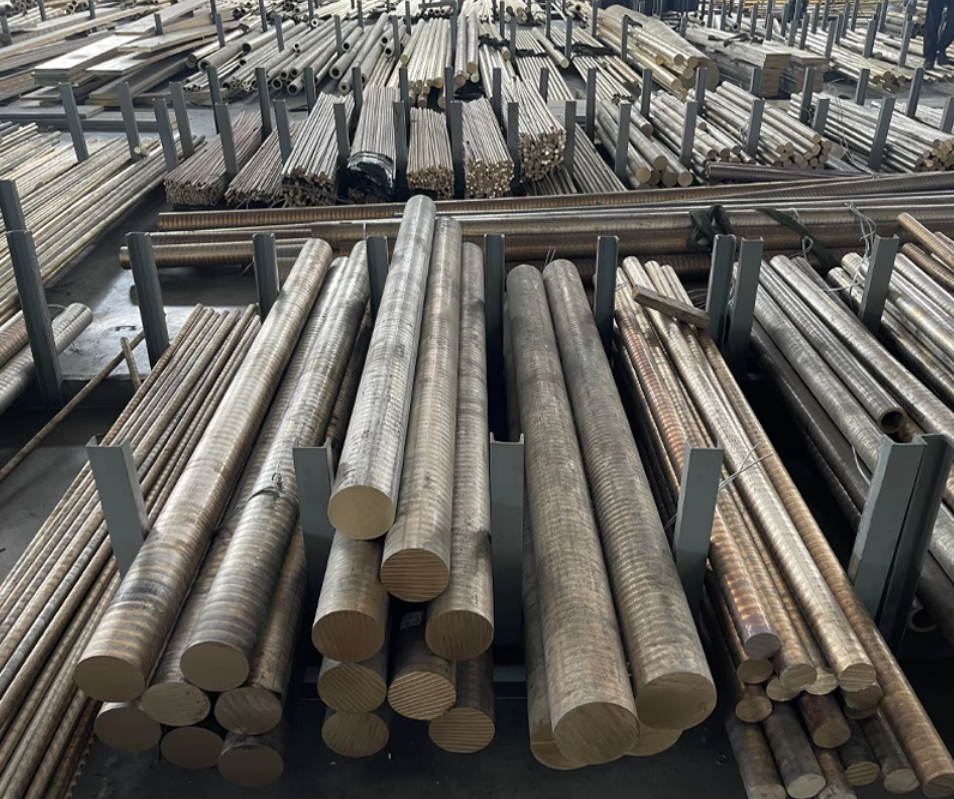
Copper Prices Soar — Can the Connector Industry Hold Steady
On December 31, China’s copper futures market experienced short-term volatility.The Shanghai copper futures main contract saw a slight pullback during the session and closed at USD 12,500 per metric ton, posting an intraday gain of 0.84% From a longer-term perspective, supported by tight supply on the mining side and improving expectations for global demand, international copper prices have shown a broadly volatile upward trend over the course of the year. The price center has continued to move higher, with copper remaining in a historically elevated range. From below USD 8,600 per metric ton at the beginning of the year to a stable range of USD 11,600–12,000per metric ton in the fourth quarter, LME copper prices have risen by more than 30% over the year.More importantly, this rally is not driven by short-term market sentiment, but represents a “platform-style price uplift” formed against the backdrop of a tight supply–demand balance For the connector industry, where copper is one of the core base materials, fluctuations in copper prices are never merely a raw material issue.Instead, they represent a systemic variable that directly affects cost pass-through, product pricing, material selection strategies, and ultimately the survival and competitiveness of enterprises. Against the backdrop of copper prices

Connector Giant Announces Price Increase for 2026 — Is a “Cost Storm” About to Hit the Electronics Supply Chain?
The global connector industry has just taken a heavy hit. On December 4, TE Connectivity (TE), the world’s leading connector manufacturer, issued a price adjustment notice to its global channel partners, announcing that starting January 5, 2026, prices across all product lines and all regions will be increased. The announcement quickly sent ripples through the entire supply chain, highlighting the widespread pressure and challenges manufacturers are facing amid today’s inflationary environment. A Unified Global Price Adjustment: Covering All Product Lines and All Regions According to TE’s latest notice to its channel partners, this price adjustment is far from a regional trial—it is a globally synchronized and fully comprehensive move. The announcement specifies that the change applies to all authorized distributors, underscoring the company’s unified strategic approach to the global market. The price hikes span an exceptionally broad range—from automotive-grade connectors to high-speed backplane solutions, and from spring-pin terminals to various categories of industrial connectors—covering virtually the entire TE product portfolio. Distributor feedback indicates that the increases for certain categories fall between 5% and 12%, marking a moderately strong, structurally driven adjustment. As a leading force in the connector sector, TE Connectivity supplies products that are deeply embedded across key industries

Revenue Gap Hits $200 Billion! Q3 2025 Deep Dive into JONHON, Aerospace Electrical Equipment, and Luxshare Precision
The fastest growth rates differ by nearly 16 percentage points, and net profit performance varies dramatically, reflecting a new phase of strategic differentiation in the connector industry. With the Q3 2025 financial reports now disclosed, the three leading connector companies — Luxshare Precision, JONHON, and Aerospace Electrical Equipment — exhibit markedly different development trajectories. This divergence highlights how the connector industry is making varied strategic choices under multiple driving forces, including AI computing infrastructure, the transition to new energy, and upgrades in communication technology. The three companies are pursuing differentiated competition along three distinct paths: high-end breakthroughs, scale expansion, and ecosystem integration. 01 Q3 Key Financials Comparison: Three Distinct Business Paths Emerge In the third quarter of 2025, the three leading companies in the connector industry delivered markedly different results. A multi-dimensional comparison of their financial data clearly reveals the distinct strategic orientations and development paths of each company. FY2025 Q1–Q3 Operating Performance Comparison Category of Indicators Key Metrics Luxshare Precision JONHON Aerospace Electrical Equipment Revenue Scale Revenue Amount(Unit: Billion USD) 310.6 22.3 6.1 Year-on-Year (YoY) 24.69% 12.36% 8.87% Profit Performance Net Profit Amount(Unit: Billion USD) 115.18 17.01 0.21 Year-on-Year (YoY) 26.92% -30.89% -64.53% Cash Flow Situation Operating Cash Flow Amount(Unit:
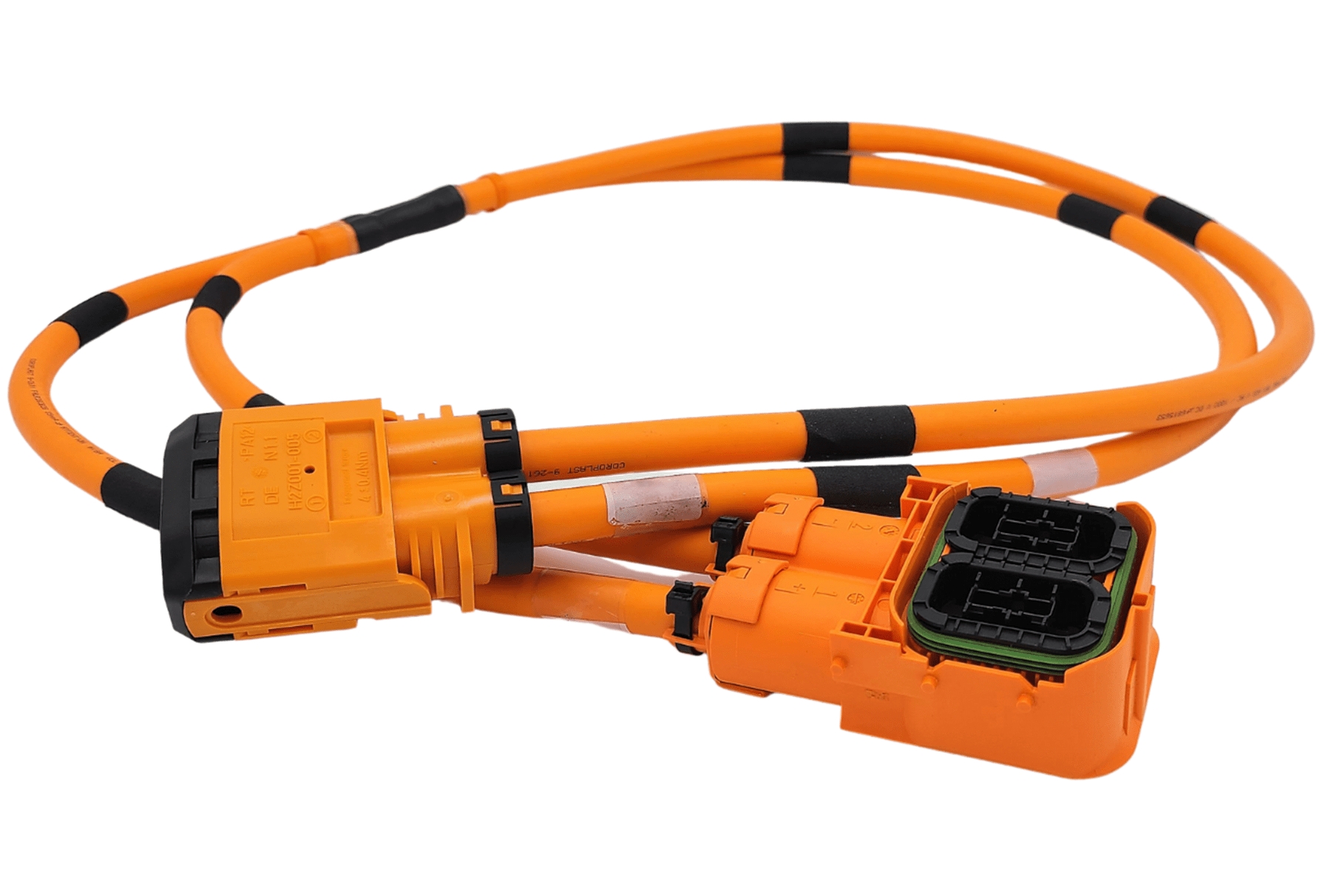
What are the main features of TE high voltage connectors?
TE high – voltage connectors have the following main features: • High – voltage and high – current handling capacity: They can handle high voltage and large – current transmission. For example, the PowerTube connector series can reach a voltage level of up to 1000V and a current – carrying capacity of up to 580A. The AMP+ HVP 800 high – voltage connector system can use a current of up to 250A in a 50mm² wire. • Good electromagnetic compatibility: Many products are equipped with 360° shielding, such as the PowerTube connector series, which has a circular 360° shielding layer, and the shielding current can reach 30% of the main current, which helps ensure high EMC performance. • High – safety design: They adopt touch – safe technology to prevent users from touching the current – carrying elements with their fingers. They are also equipped with a high – voltage interlock loop (HVIL) function. For example, the AMP+ HVA 1200 high – voltage interconnection system has an integrated HVIL, which meets the IP2XB of IEC 60529 and the UL finger – protection standard. • Strong environmental adaptability: The connectors have a wide operating temperature range, generally from – 40 °C
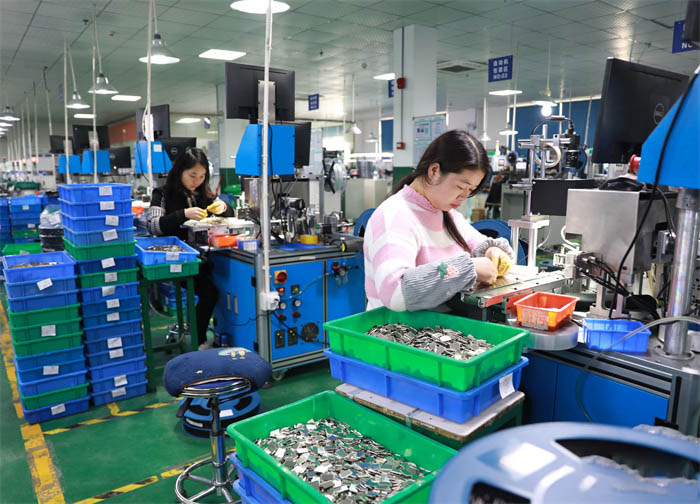
Unveiling the Profit Secrets: Gross Margins of 30 Chinese Connector Companies
Under the drive of 5G communication, new energy vehicles, and AI computing power, the connector industry is experiencing a shift from “quantity” to “quality.” According to SkyQuest data, the global connector market size is expected to surpass $90 billion (USD) in 2024, with China holding a 31% share, making it the largest single market. How will domestic connector companies perform in 2024? What is the current state of downstream markets such as consumer electronics, automotive, communications, energy storage, and industrial control? What new growth drivers will emerge in the industry’s future? To address these questions, International Cable and Connector has conducted a comprehensive analysis of the annual reports from 30 listed connector companies in China. The goal is to decode the trends of the industry’s high-end development and the key opportunities for domestic substitution from the financial data and business strategies. P1 16 out of the 30 companies saw both revenue and profit growth:The connector industry is on an upward trajectory, with the Matthew Effect intensifying. In 2024, driven by demand in sectors such as new energy, communications, and consumer electronics, the connector industry is showing a typical structural characteristic of “stable growth for leading players, polarization among small and medium-sized enterprises, and
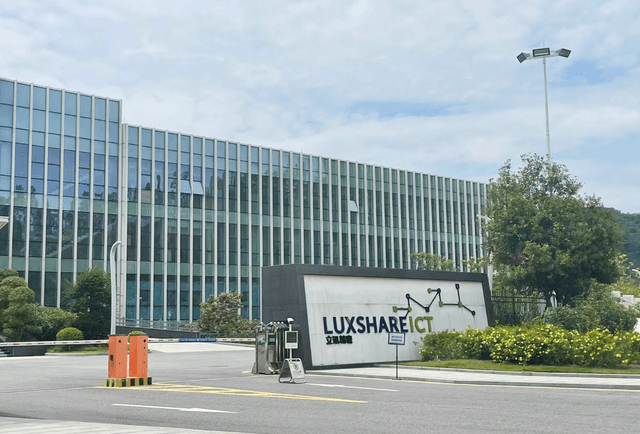
The $572 million USD acquisition of Leoni is finalized! Looking back at Luxshare Precision’s ambitious “acquisition history”
The $572 million USD acquisition of German wiring harness giant Leoni was not a coincidence for Luxshare Precision. From consumer electronics to the automotive industry, from components to system integration, it outlines the transition path of Luxshare Precision from a foundry giant to a global industry chain player. When Luxshare Precision completes the transaction with Germany’s Leoni AG in 2024, the capital market will have long been accustomed to the company’s “acquisition-style expansion”. Since its establishment in 2004, Luxshare Precision’s growth history is almost equivalent to a history of mergers and acquisitions, and the 4.1 billion acquisition of Leoni is just the latest step in its huge chess game. P1 The $572 million USD purchase is not only a wiring harness factory, but also an “entry ticket” to the European automotive industry. This highly anticipated cross-border merger and acquisition, with a total transaction price of $572 million, covers 50.1% of the shares of Leoni Group and 100% of the shares of Leoni Kabel GmbH, a core wiring harness subsidiary. For Luxshare Precision, this is not only a business expansion, but also a precise positioning of the voice in the global automotive supply chain.Founded in 1917, as a representative of German
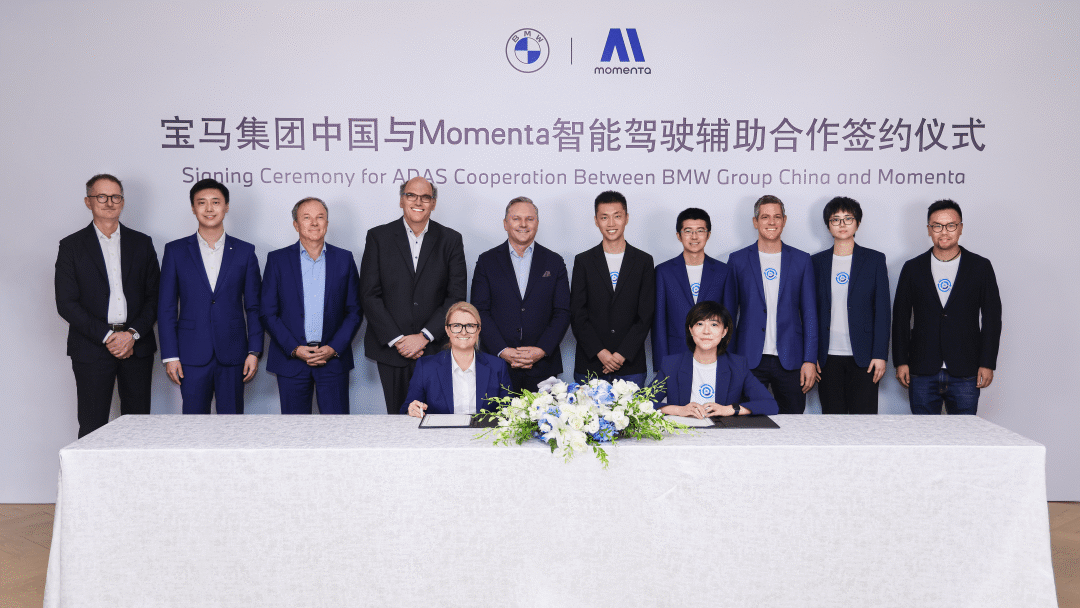
BMW finalizes its intelligent driving partner, Momenta becomes the “common choice” of top 3 giants(Mercedes, Audi, BMW)
BMW finalizes its intelligent driving partner, Momenta becomes the “common choice” of top 3 giants On July 15, BMW China officially announced a partnership with domestic autonomous driving company Momenta. The two parties will develop a China-specific intelligent driving assistance solution based on the flywheel model. This solution will cover highway and urban road scenarios and will be first installed on BMW’s domestically produced new generation models. BMW is not the first German luxury brand to embrace Momenta. Mercedes-Benz made a strategic investment in Momenta as early as 2017, and its new CLA model will be equipped with Momenta solutions for the first time in the fourth quarter of this year; Audi announced at this year’s Shanghai Auto Show that it will cooperate with Momenta to develop intelligent driving functions for its pure electric brand AUDI. Now that BMW has entered the game, Momenta has officially become the “greatest common denominator” of BBA in the intelligent driving track in China. Why Momenta? Among local suppliers such as Huawei and Horizon Robotics, Momenta stands out due to three major advantages: Safety verification endorsement: It has passed mass production project verification of joint venture brands such as GAC Toyota and SAIC Volkswagen;